
 By Plumber in Warren, MI, plumbers on Stephens Rd in WarrenPublished October 25, 2026Last updated October 25, 2026
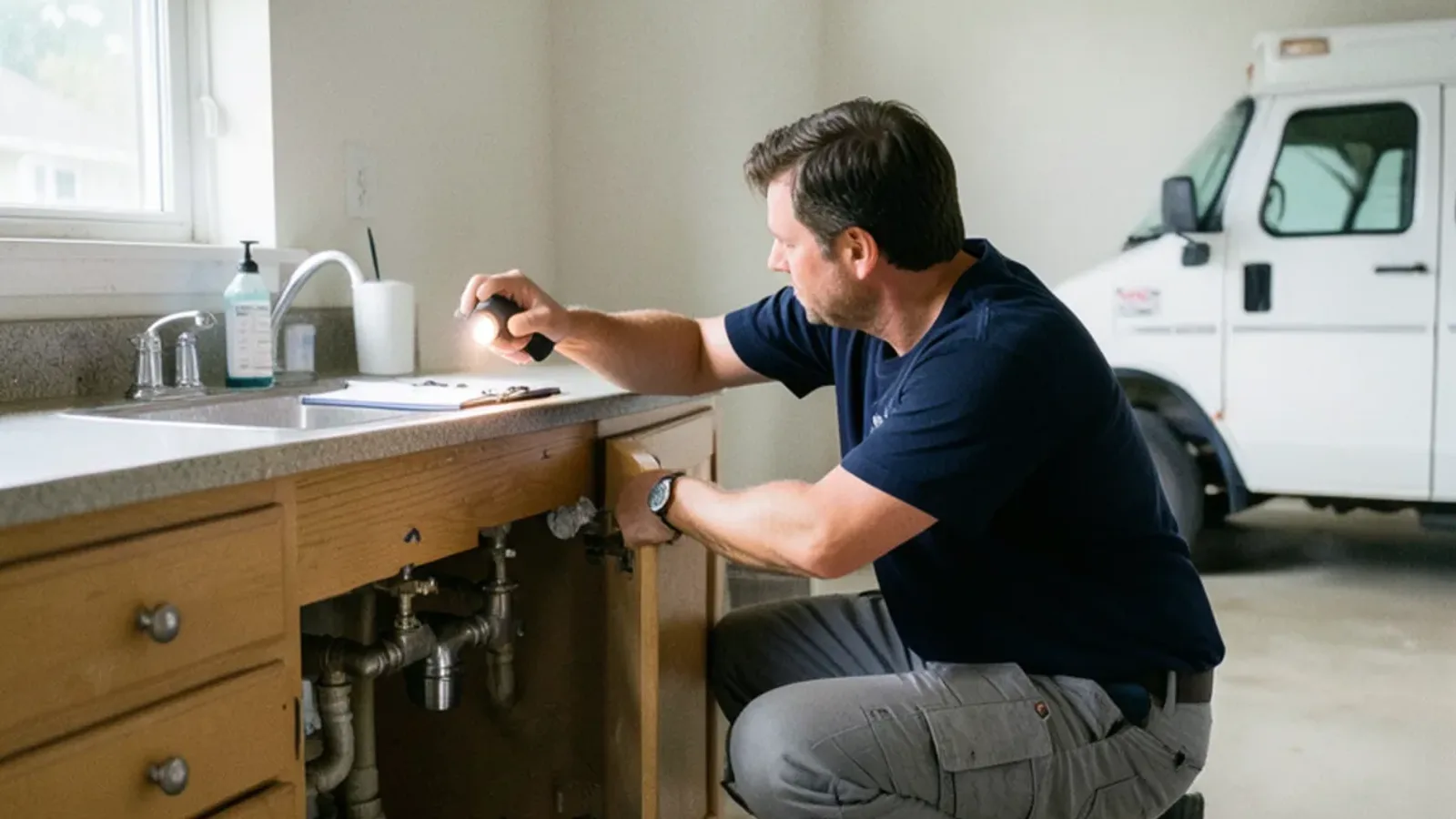
A rental property plumbing inspection between tenants is a methodical walk through every fixture, valve and drain with the water on and a flashlight in hand. Run every faucet, flush every toilet, fill and drain the tub, look under every sink, then spend real time in the basement at the main shutoff, the water heater and the floor drain.
A couple of hours during turnover catches the slow drips and stuck valves that otherwise turn into the new tenant's first phone call.
Here's the order we'd work in, what counts as a red flag, and what changes when the unit sits empty through a Michigan winter.
Start in the basement with the main shutoff and the meter
Find the main water valve, close it, open a faucet to confirm the water stops, then open it fully again. A valve that won't close is the first thing to fix, because every other repair in the unit depends on it. Hang a tag on it so the next tenant can find it in a hurry. Our guide on finding and shutting off the main water valve covers stuck and leaking valves.
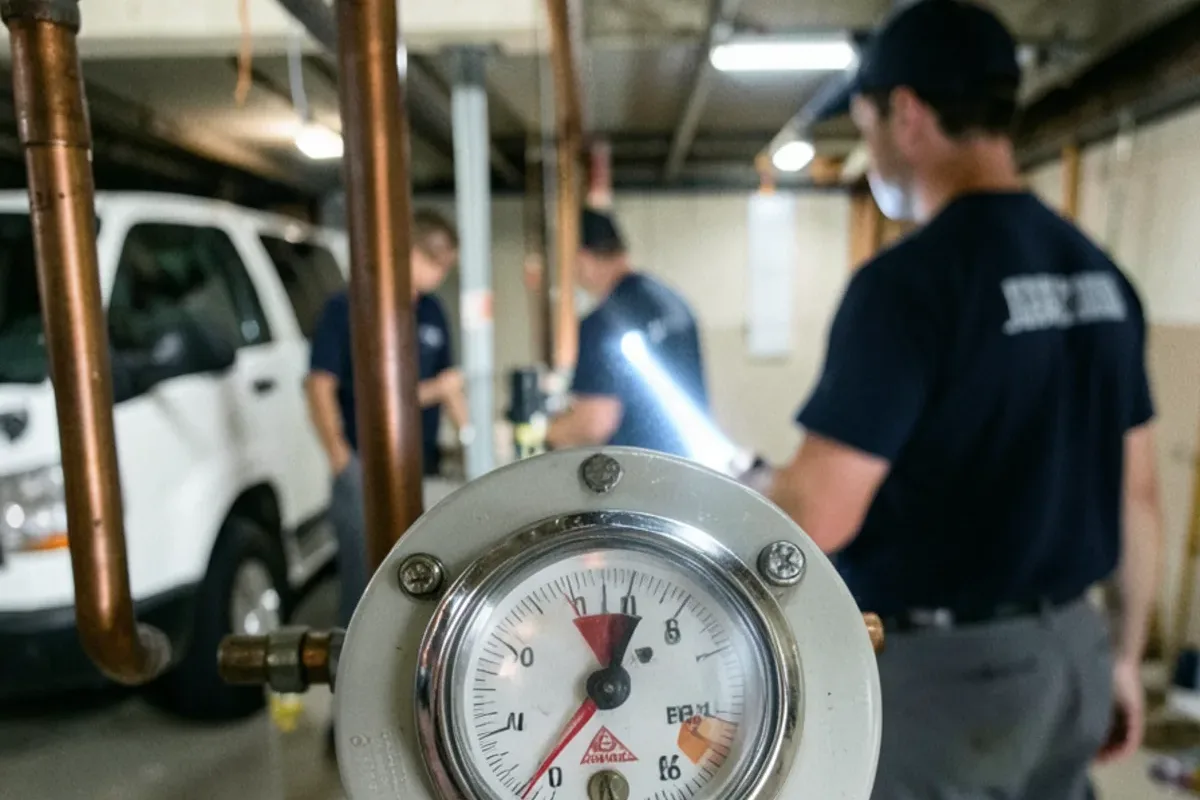
Next, use the water meter as a leak detector. With every faucet off and nothing running, watch the small low-flow indicator on the meter face for a few minutes. If it moves, water is going somewhere: usually a toilet, sometimes a hidden supply leak in a wall or under a slab. A toilet you can rule out with a dye test. A leak you can't see is a job for leak detection and repair.
While you're at the meter, note what the incoming service pipe is made of. Warren's water division says a home built before 1960 in the city may have a lead service line. If yours scratches soft and silver and a magnet won't stick, contact the water utility for that address and follow its guidance before the next lease starts.
What should a landlord check before a new tenant moves in?
Work room by room and test everything under real use. A faucet that's fine for ten seconds can drip after a minute of running, and a drain that handles a glass of water can back up when the tub empties.
| Area | What to check | Red flag |
|---|---|---|
| Kitchen sink | Run hot and cold, use the sprayer, turn each supply stop off and on, look at the trap | Stains or soft wood in the cabinet floor, a stop that weeps at the stem |
| Dishwasher and disposal | Run a short cycle and the disposal, check the drain hose loop and connections | Water under the dishwasher, a disposal that hums or leaks at the bottom |
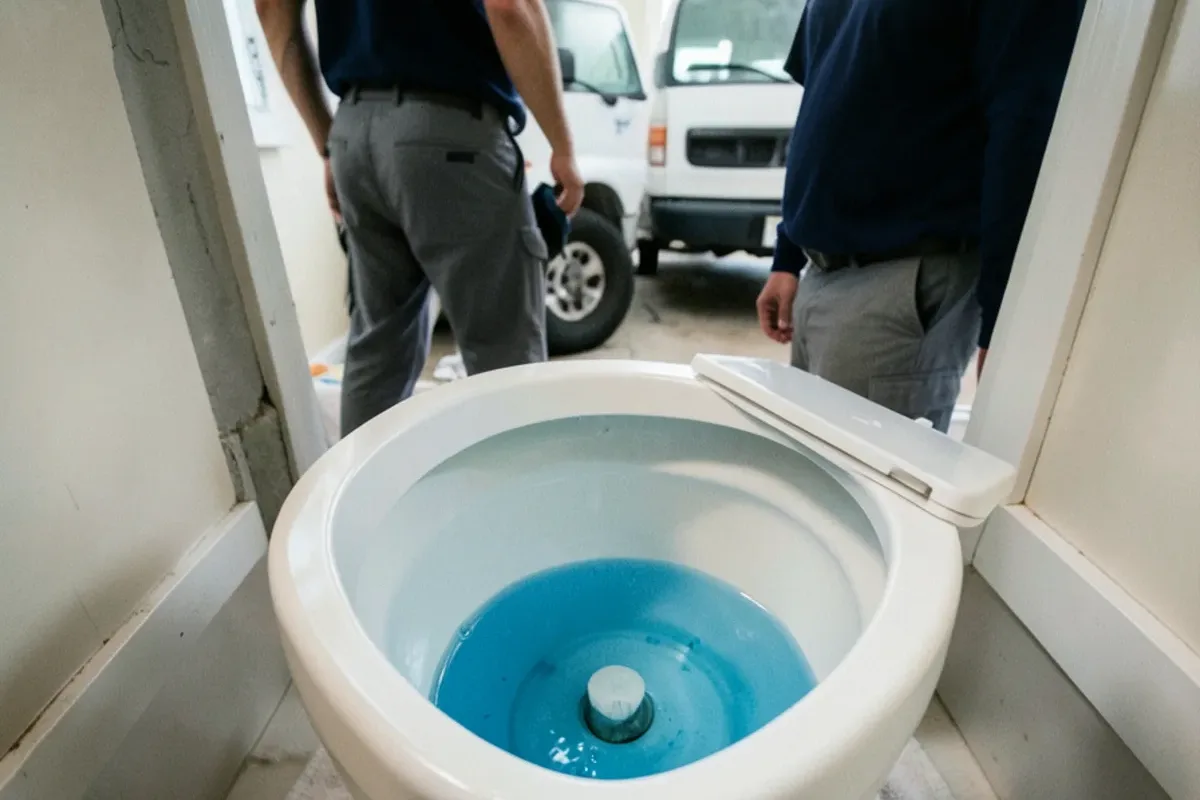
| Toilets | Dye test the tank, flush twice, rock the bowl gently | Color in the bowl without flushing, a bowl that shifts, stains around the base |
| Tub and shower | Fill the tub and pull the stopper, run the shower hot and cold | Slow drain, cracked caulk or grout at the valve, temperature swings |
| Bathroom sink | Run it, work the stopper, look underneath | Drip at the trap, corroded supply lines |
| Laundry | Inspect the washer hoses and valves, run a drain cycle | Bulging or cracked rubber hoses, water at the standpipe |
For the toilet dye test, EPA's WaterSense program says to put a few drops of food coloring in the tank and wait. If color shows up in the bowl within about ten minutes without a flush, the flapper is leaking. EPA estimates the average household's leaks waste more than 9,300 gallons a year, and in a rental where the tenant pays the water bill, a leaking toilet is a complaint waiting to happen. Replace rubber washer hoses with braided stainless ones while you're at it.
Water heater checks tenants never think to do
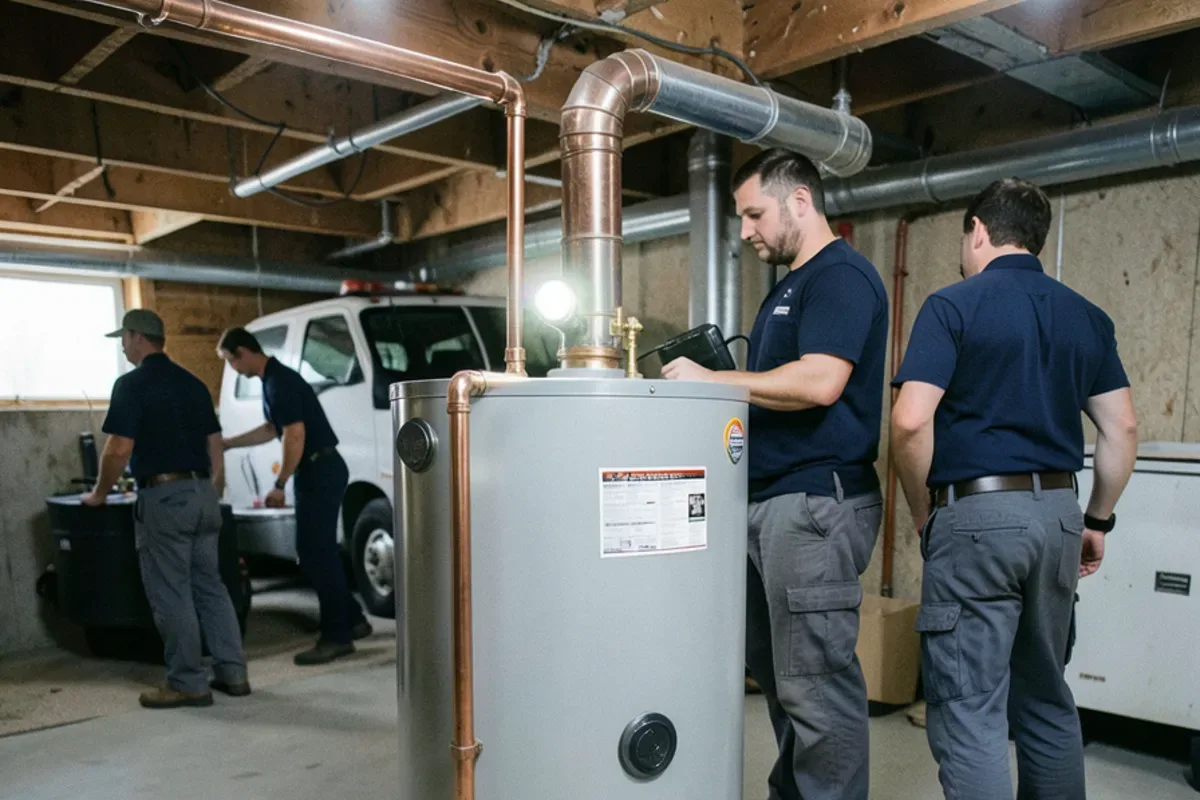
- Find the manufacture date on the label. Many brands code it into the serial number, and the manufacturer can decode it.
- Look for rust at the base, water in the drain pan or on the floor, and corrosion at the pipe connections on top.
- Make sure the relief valve has a discharge pipe running down to within a few inches of the floor, with nothing capping or blocking it.
- Check the thermostat. Around 120°F is a common setting that keeps scald risk down in a unit with kids or older tenants.
- On a gas heater, make sure the vent pipe is connected and sloped up to the chimney or vent, and the burner area is clear of storage.
If you smell gas anywhere in the unit, stop the inspection, leave and call the gas utility from outside. In Warren that's Consumers Energy.
Drains, floor drains and the sewer line
Run several fixtures at once: fill and drain the tub, run the kitchen sink and flush a toilet together. If the basement floor drain gurgles or water rises in it, the main line is restricted. Pour a bucket of water into the floor drain to refill its trap, since a dry trap in a vacant unit lets sewer gas in. If a smell lingers after that, our post on tracking down a basement sewer smell lists the other usual causes. If the unit has a sump pump, pour water into the pit and make sure the pump starts and shuts off on its own.
In Warren, the property owner maintains the sewer lateral from the house all the way to the city's main. A rental with a history of backups is worth a camera inspection during turnover, while nobody is living there.
Winter vacancies and Michigan turnovers
An empty unit between November and March is where frozen pipes happen. Keep the heat on at a safe setting, never off. Close the inside valve to each outdoor faucet and drain the line. Open the cabinet doors on exterior-wall sinks, and if the unit will sit for weeks, think about closing the main and draining the lines. Our guide on why pipes freeze on exterior walls covers the weak spots.
It matters most in older rentals. Whether the unit is one of the pre-1960 houses in south Warren, a home in Center Line, which Warren surrounds, or older housing just south of 8 Mile in Detroit, the older the house, the more likely it still has galvanized supply pipe and cast iron drains that punish a skipped check.
What a plumber notices on a turnover that a walk-through misses
The supply stops under sinks and behind toilets are the first thing a plumber looks at, because the original multi-turn stops in older rentals often weep or break off the first time anyone turns them. Exercising them during a vacancy can start a small leak, but that beats finding out with a tenant in the unit at night. Many landlords replace every old stop with a quarter-turn valve at one turnover, so each fixture can be isolated later without shutting down the whole building.
Stains are the second clue. A ceiling stain under a bathroom, a musty closet that shares a wall with the tub, or loose floor tile at the toilet base usually point to a slow leak that has been running for months. Painting over a stain during turnover hides the evidence without stopping the water.
Then there's the repair-or-replace call on fixtures and the water heater. A vacant unit is the easiest time to swap a heater that's near the end of its life, since nobody goes without hot water and the work is easy to schedule. Replacing a working heater early has its own cost, so decide on age, rust at the base and the tank's history. Toilets work the same way: a toilet repair with a new flapper and fill valve fixes most running toilets, while a cracked bowl or tank only gets one answer.
Permits and records for rental repairs
Warren lets homeowners pull their own plumbing permits, but the homeowner affidavit on the city's form is for an owner living in the home, with no part of it rented. Permit work in a Warren rental, such as a water heater replacement, goes through a plumbing contractor. Keep a simple record for each unit: water heater date, valve condition, what was repaired and when, with photos. Add move-in and move-out meter readings and dated photos that match the signed condition report. It makes the next turnover faster and gives you a history when a tenant reports a problem. Our property management plumbing page explains how turnover and repair work is handled across several units.
Warren also licenses rentals, with a city inspection against the International Property Maintenance Code every two years, and it won't issue a license while water or sewer bills are unpaid. Leaking fixtures and a water heater without a proper relief pipe are worth fixing before that inspection.
Turnover fixes you can handle and the ones to hand off
A handy owner can run the meter test, do the dye test, replace a flapper or an aerator, swap rubber washer hoses for braided ones, refill dry traps and caulk a tub. Those are the bulk of turnover finds, and none of them needs a permit.
Hand off a main valve that won't close, any leak you can't see the source of, a water heater replacement, gas smells or connectors, and drains that back up when several fixtures run together. If you've got a unit turning over and want the valves, heater and drains checked before the new lease starts, give us a call and we'll work through the list with you.
Questions people ask about this
How often should a landlord inspect rental plumbing?
At every turnover, and once a year in occupied units if the lease allows access. A fall visit is a good time, since it lets you shut off and drain outdoor faucets and check the water heater before winter. Warren rentals also get a city inspection every two years as part of the rental license.
Can a landlord pull a plumbing permit in Warren?
No, not on the homeowner affidavit for a rental. Warren's affidavit covers an owner-occupied home with no part rented, so permit work in a rental, such as a water heater replacement or new water piping, is pulled by a plumbing contractor. Small repairs like a flapper or a faucet cartridge don't need one.
What plumbing problems show up most in rental turnovers?
Leaking toilet flappers, dripping faucets, weeping supply stops under sinks, slow tub drains and aging water heaters are the usual finds. The expensive ones are slow leaks behind walls and under toilets, which is why the meter test and a look at the ceilings below bathrooms matter.
Does Warren inspect rental properties?
Yes. Warren requires a rental license for any unit rented to someone other than the owner, and the Rental Inspections Division inspects the property against the International Property Maintenance Code before issuing it. Licenses run two years, so the inspection comes around every other year. Renewal applications are due 60 days before the license expires.
Want a plumber to look at your situation? We're on Stephens Rd in Warren.
(207) 419-2600