
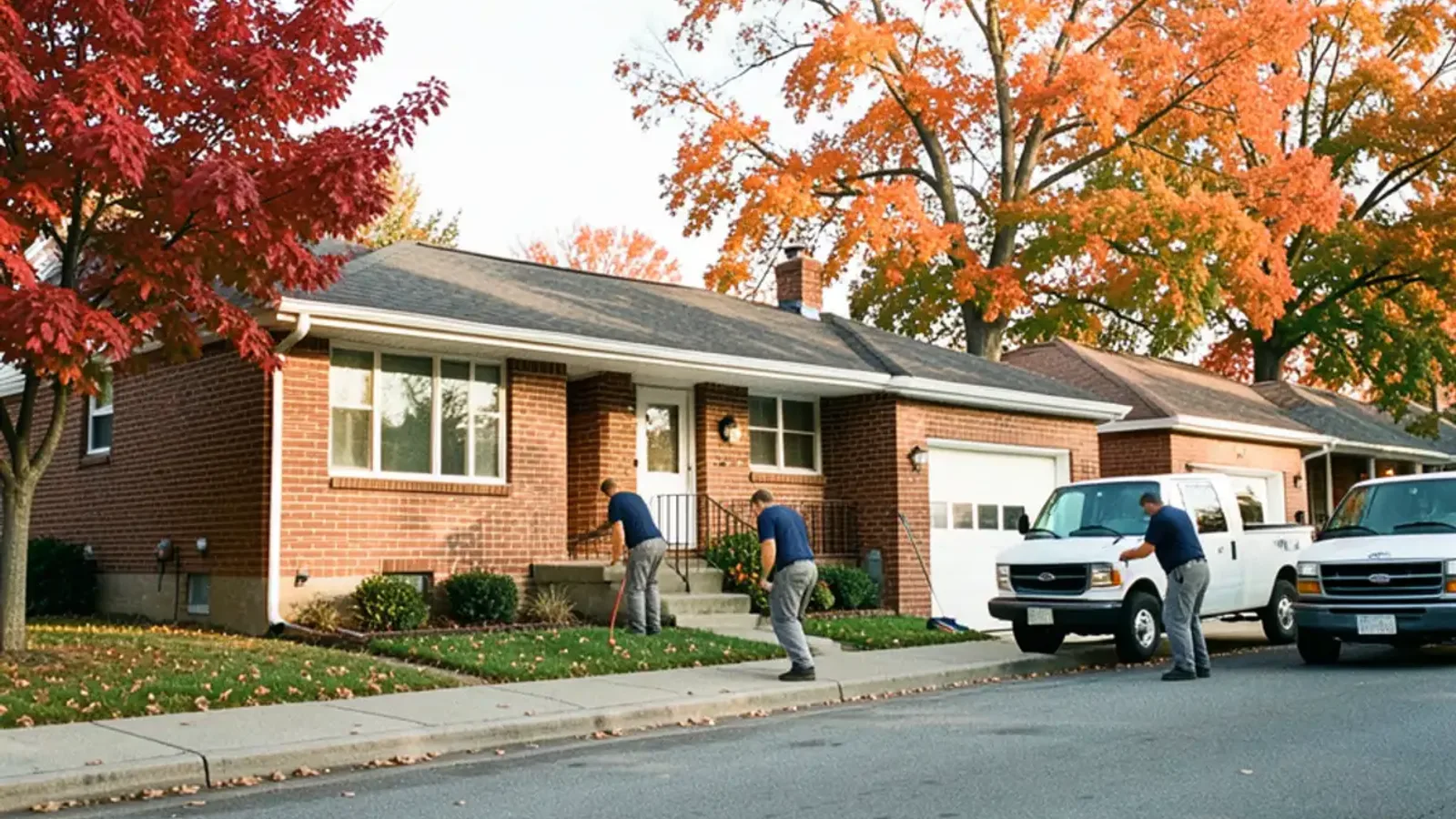
A plumber in Madison Heights works on two kinds of property most weeks. One is the 1950s brick house: four in ten homes in the city were built in that single decade. The other is the shop, warehouse or light-industrial building, and those carry about 60 percent of the local tax base. Both sit on top of the same sewer story. The George W. Kuhn basin, which stores combined rain and sewage from 14 south Oakland communities, lies beneath the I-75 overpass at 12 Mile Road, inside the city. And since October 2025, Madison Heights has been working through a state notice about lead at homes with lead service lines. All of that shapes what we look at first when we walk into a basement here.
Built in the 1950s and drained through the Kuhn district
Madison Heights became a city in 1955, in the middle of its building boom. Census figures put the median home at 1961, and roughly half the housing went up before 1960. Two-thirds of homes are detached houses, mostly brick ranches over full basements, and about a third of households rent. The city’s own numbers show how much pipe that means in the ground: 131 miles of water main and 9,600 residential connections, with main breaks averaging 65 a year and more than 6,000 feet of main replaced every year.
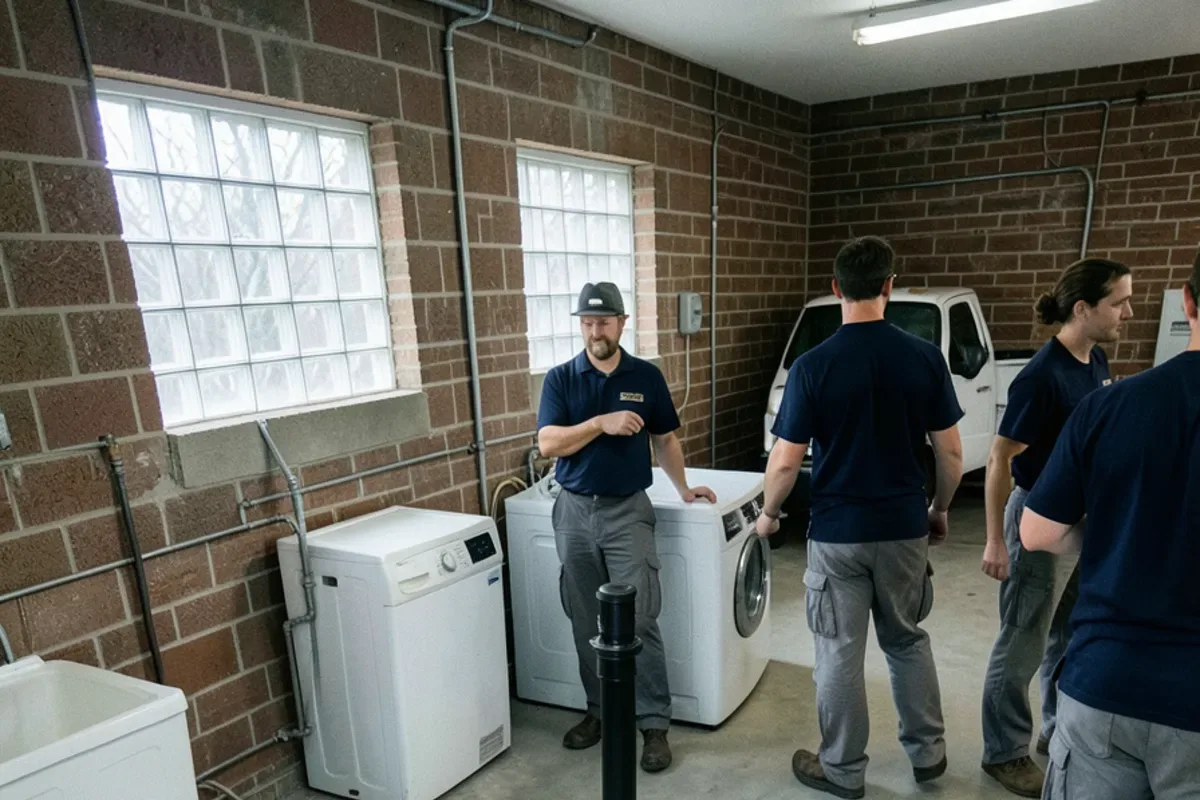
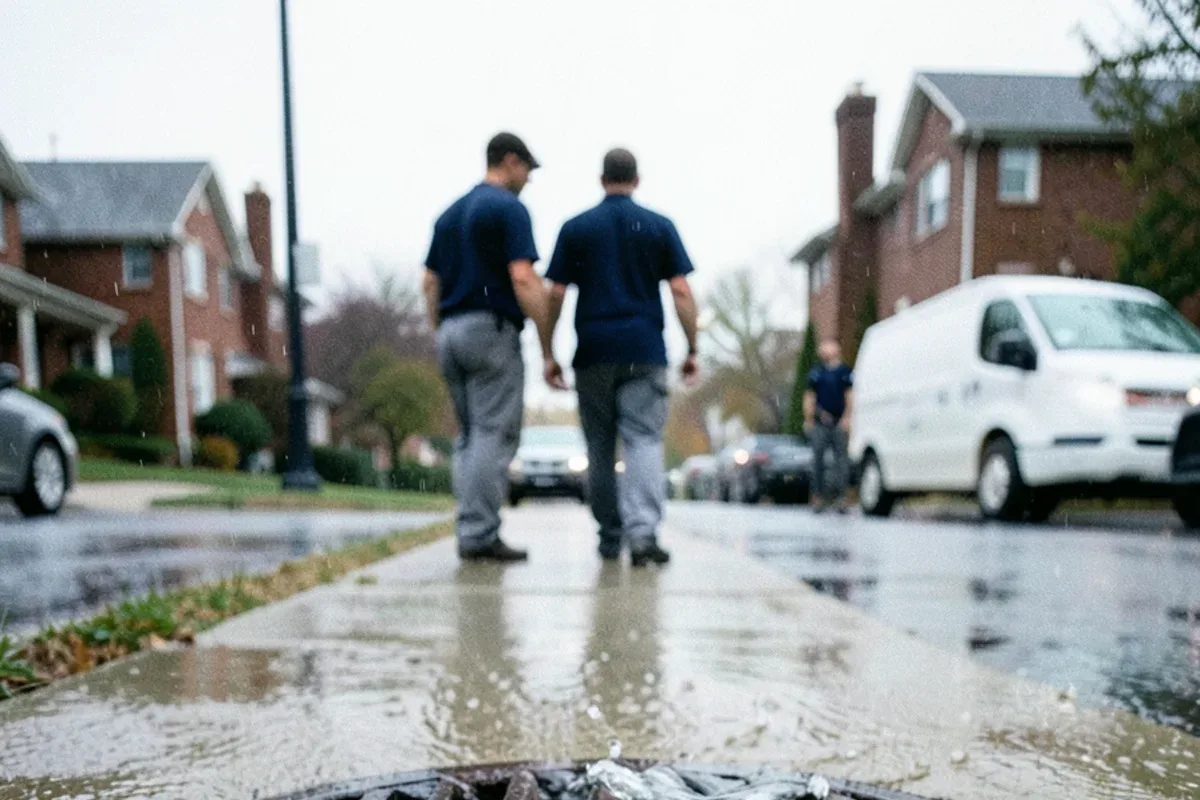
Under those ranches, the usual layout is a cast iron stack, a building drain under the slab and a clay tile lateral to the street. That is trade knowledge, not a city record, but it matches what we see in houses of this age. The street sewer is the other half of the problem. Madison Heights is one of the 14 Kuhn district communities, many of them built with combined sewers that carry storm water and sewage in one pipe. On August 11, 2014, southeast Oakland took more than five inches of rain in about three hours, and sewage-filled water came up through floor drains across the area. A basement floor drain a few feet below the street is the first opening a full sewer finds.
Crossing Dequindre on 10 Mile or I-696 for a Madison Heights call
Madison Heights is just over Dequindre Road from Warren. From our office on Stephens Rd we usually go north on Hoover Road and west on 10 Mile, which brings us across the county line at the city’s south end. For addresses up near 13 or 14 Mile, Hoover to I-696 and then I-75 is often the better road. Calls get scheduled around other work on the west side of Warren, and we tell you plainly where your visit fits that day.
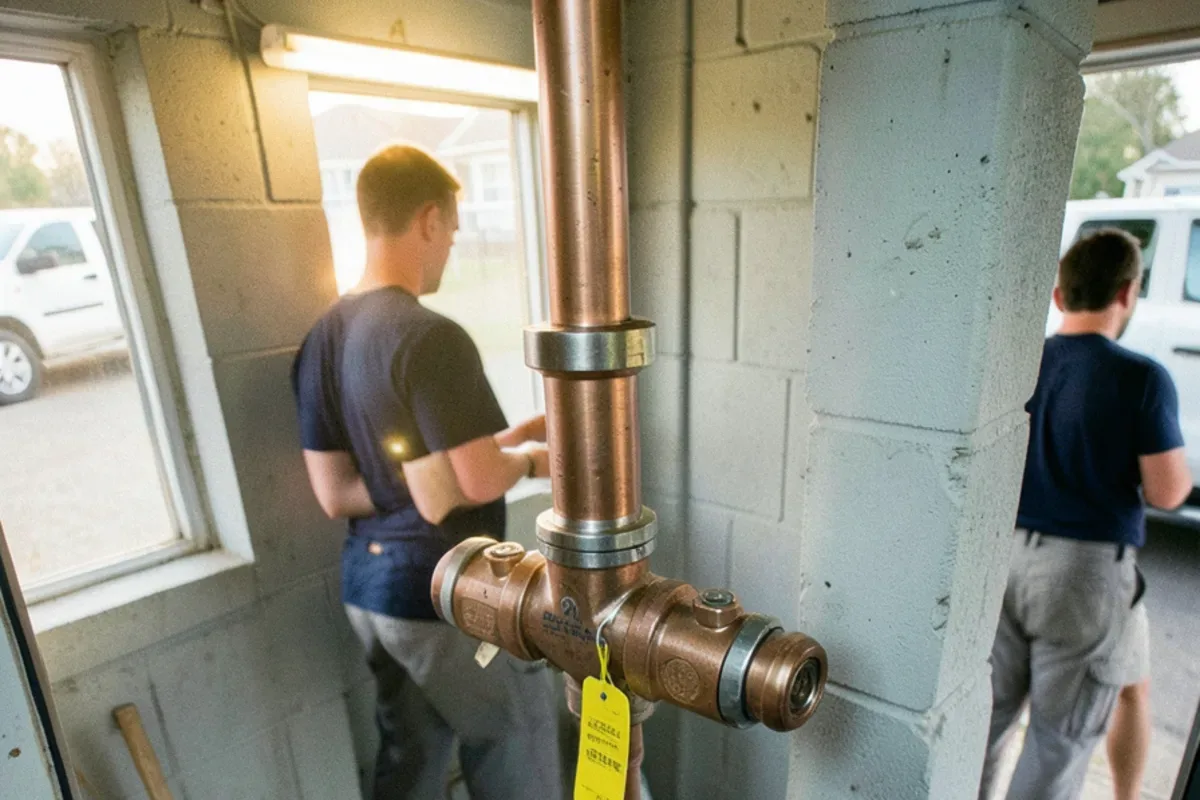
In a house, the first stop is the water meter, because the line coming through the foundation can be copper, galvanized steel or lead, and right now that matters in this city. The state notified Madison Heights on October 16, 2025 that 7 of 30 sampled homes with lead service lines were over the lead action level of 12 parts per billion. News coverage at the time put the number of homes still known to have lead lines at about 140. The city says its GLWA water has no lead at the source, and that its Water Department is sampling more homes and removing lead lines. If we find lead, we point you to the city’s Water & Sewer Division and the state for answers about health and replacement. Then we check the floor drain, the stack cleanout and the water heater.
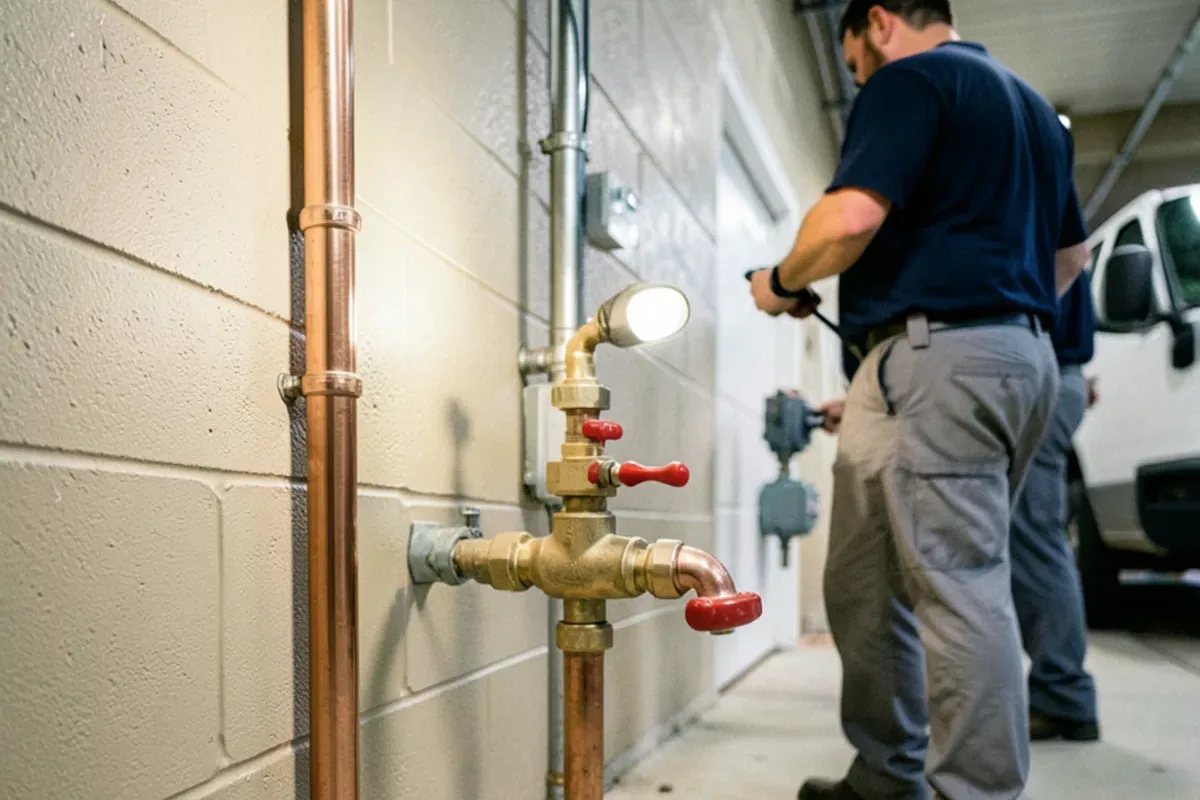
In a commercial building, we start with the main shutoff, the backflow assembly on the incoming line and the water heaters. Testable backflow devices need a yearly test by a certified tester, and the report goes to the water system.
Red Oaks, the I-75 basin and other markers along 13 Mile
- The George W. Kuhn Retention Treatment Basin, beneath the I-75 overpass at 12 Mile Road. It can hold 150 million gallons of combined flow.
- Red Oaks Park, on county land along 13 Mile between John R and Dequindre, above the basin strip.
- The municipal building at 300 W. 13 Mile Road, dedicated in 1963.
- Civic Center Park, where the city rolls pumpkins down Civic Center Hill each fall.
- The Department of Public Services yard at 801 Ajax Drive, base of the Water & Sewer Division.
When the Kuhn basin fills in a big storm, the overflow is screened, disinfected and released into the Red Run Drain at the Macomb County line. That is the regional end of it. The house end is your floor drain and lateral. Clearing the lateral with basement floor drain cleaning comes first, and a backwater valve makes sense once a camera shows the pipe is sound enough to hold one. Permits for that work go through the city’s Community & Economic Development Department.
Work that Madison Heights ranches and I-75 businesses ask for
- Main water line repair
Service lines from the 1950s building boom are reaching the end of their life, and checking what yours is made of matters while the city works through lead lines.
- Basement floor drain cleaning
Basements here sit below Kuhn district sewers that run full in heavy rain, and a root-choked clay lateral under a 1950s ranch makes every surge reach the floor drain sooner.
- Backwater valve installation
Stops a full combined sewer from pushing up into a finished basement during an August 2014-style storm, once the lateral has been cleaned and a camera shows it can hold a valve.
- Hydro jetting
The city’s crews clean more than 100,000 feet of public sanitary sewer a year. On the private side, restaurant grease and roots in old clay laterals come out best with a jetter, then a camera run.
- Commercial plumbing
The city has about 1,300 commercial water connections, including strip centers on John R and light-industrial buildings, and their restrooms, water heaters and backflow assemblies cannot sit out of service for long.
- Gas line installation and repair
Gas piping in a 1950s Madison Heights ranch is usually the original black iron, so adding a range, dryer or new water heater means testing and extending pipe that is about 70 years old.
- Plumbing for landlords and property managers
About a third of households rent, and the city runs a landlord licensing program for rental property, so turnover repairs and tenant calls often come with an inspection date attached.
Getting to our office from Madison Heights
From Madison Heights, take 10 Mile Road east across Dequindre to Hoover Road and follow Hoover south to Stephens Road; or take I-696 east to Hoover Road and follow Hoover south to Stephens. The office is about 0.2 miles west of Hoover.
11355 Stephens Rd, Warren, MI 48089
Get directions to our Warren officeMadison Heights plumbing questions
What does the Madison Heights lead notice mean for my tap water?
The city says the water it buys from the Great Lakes Water Authority has no lead at the source, and that lead comes from individual lead service lines and household plumbing. For health questions, ask the city’s Water & Sewer Division, the county health department or the state agency EGLE. We can tell you what your service line and indoor pipes are made of.
Why does my basement take water when it rains hard?
In the Kuhn district, many sewers carry storm water and sewage together. When a big storm fills them, the water pushes back up laterals and out of the lowest drain in the house. A partly blocked lateral makes it happen sooner. Our article on what causes basement backups in storms walks through it.
Do you work on shops and industrial buildings in Madison Heights?
Yes. Light industry and commerce carry about 60 percent of the city’s tax base, and we handle restrooms, water heaters, drains and water lines in those buildings. Backflow assemblies need an annual test by a certified tester, and we can talk through what your building has.
Have a plumbing problem in Madison Heights? Tell us the address and what's happening.
(207) 419-2600Near Madison Heights
- Plumber in TroyNorth across 14 Mile, where the typical home dates from the 1970s
- Plumber in Hazel ParkSouth across 10 Mile, with older Cape Cods and bungalows
- Plumber in Royal OakWest across I-75, a Kuhn district city where about 40% of homes flooded in 2014
- Plumber in Center LineSmall Macomb city east of Dequindre, surrounded by Warren
- Oakland CountySouth Oakland suburbs that share the Kuhn sewer system
See every city we serve around Warren · More Oakland County cities · What causes basement backups during big storms · How to tell if your house still has galvanized pipes
Last updated October 25, 2026