
 By Plumber in Warren, MI, plumbers on Stephens Rd in WarrenPublished October 25, 2026Last updated October 25, 2026
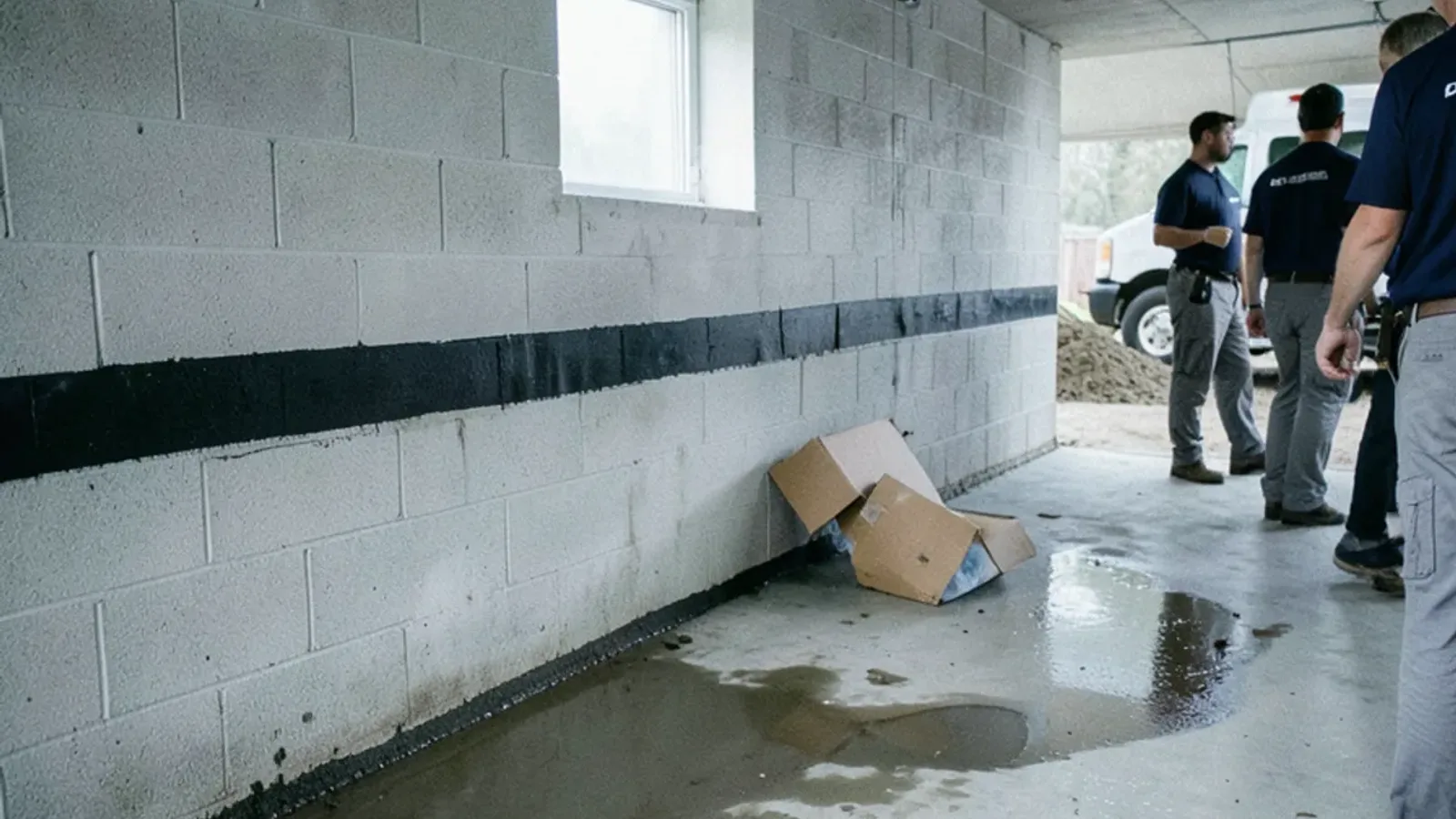
Basement sewage backup cleanup starts before anyone grabs a mop. Make sure the space is safe to enter, stop all water use in the house so nothing else comes up the drain, and photograph everything before it's moved. Then the soaked material comes out and every hard surface gets washed and disinfected.
The other half of the job is finding out why the line backed up, so it doesn't happen again next month.
Sewage is not the same as clean water from a burst pipe. It carries bacteria and other germs, so anything porous it soaked into usually has to go.
Is it safe to go down there yet?
Look before you step. If water is still standing and could reach outlets, a power strip, a furnace or a chest freezer, stay on the stairs. Warren's guidance during its January 2024 flooding was to have the electric utility or an electrician shut off power to a flooded lower level, and to have an electrician check the system before turning it back on. A gas furnace or water heater that sat in water should be inspected before anyone relights it.
Keep children and pets upstairs until the cleanup is done. Anyone who is pregnant, has a weakened immune system or has open cuts on the hands should leave the work to someone else. The CDC also suggests knowing the date of your last tetanus shot before handling flood debris, in case of a puncture or a cut that gets contaminated.
Photos, notes and phone calls before cleanup
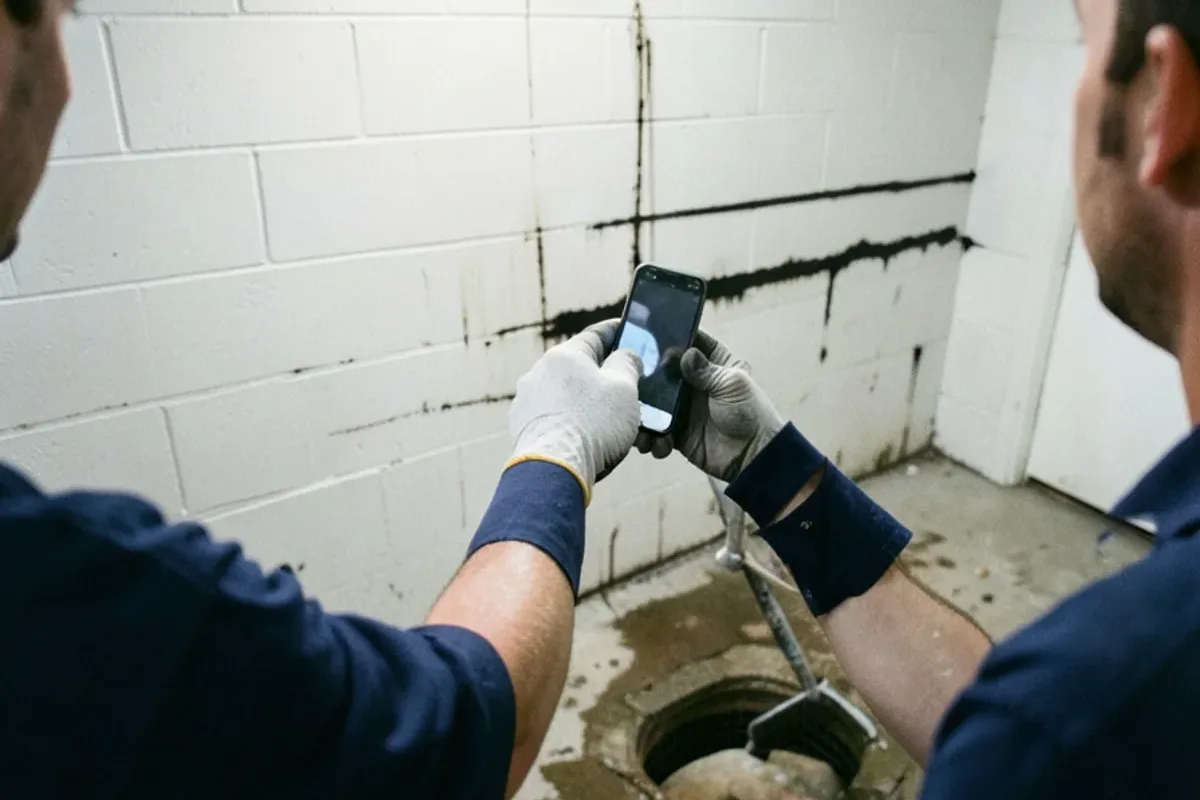
Take more pictures than you think you need. Get the high-water mark on the walls, the floor drain, every damaged item before it goes to the curb, and the model labels on the furnace, water heater, washer and dryer. Write down when the water came up, whether it was raining, and whether neighbors had the same problem. Those details matter to an insurer and to whoever figures out the cause.
Call your insurance company early. Warren's sewer handout warns that most homeowner policies don't cover sewer backups unless backup coverage was added, so it's worth finding out where you stand before spending money.
If you think the public sewer caused it, report it to the city right away. Michigan has a specific law covering sewage backup claims against a city or utility (Public Act 222), and it comes with a deadline for written notice, so ask the city how to file before the cleanup is finished. Detroit's water department has pointed out that these claims require showing the public system was at fault, and that things like a collapsed private lateral or damaged drain tile can be part of the cause.
What to throw out and what you can clean
The rule from the CDC is simple: what can't be disinfected gets thrown out. In practice that means most soft, absorbent things that sat in sewage water.
| Item | Keep or toss | Why |
|---|---|---|
| Carpet, pad and area rugs | Toss | Sewage soaks through to the pad and can't be cleaned out |
| Drywall and insulation that got wet | Cut out and toss | Both wick contaminated water up and hold it |
| Upholstered furniture and mattresses | Toss | The filling can't be disinfected |
| Cardboard boxes, books and papers | Toss, or photograph what matters | Paper absorbs sewage and grows mold |
| Hard plastic bins, metal shelving, glass | Keep | Wash with soap and water, then disinfect |
| Concrete floor and block walls | Keep | Scrub, rinse, disinfect and dry |
| Food, including sealed jars that sat in the water | Toss | Not worth the risk |
Cut drywall a foot or so above the highest wet mark, since water climbs inside the board higher than the stain you can see. Bag everything before carrying it up through the house. Speed matters here: the EPA warns that mold can grow on wood, drywall, carpet and furniture that stay wet for more than a day.
Cleaning and drying the floor
Remove the water and solids
A wet-dry vacuum or a small pump handles standing water. Shovel or scrape up solids and bag them. Don't sweep sewage dry; that puts it in the air.
Wash every hard surface
Scrub the floor, walls up past the water line, shelving and the outside of appliances with detergent and water. Disinfectant works poorly on a dirty surface, so this step comes first.
Disinfect
The CDC mix is 1 cup of household bleach in 1 gallon of water. Never mix bleach with ammonia or other cleaners; the fumes are toxic. Keep a window open and a fan running.
Dry it hard
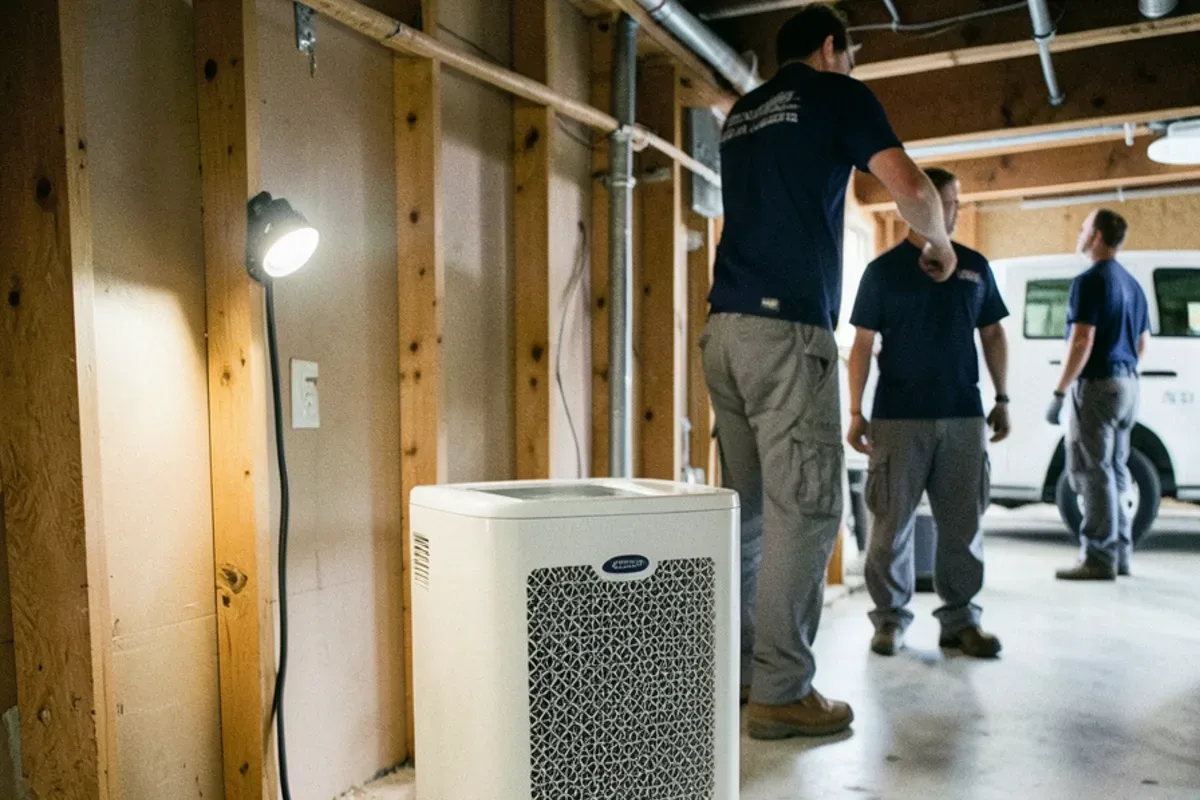
Fans and a dehumidifier, running continuously, for several days at least. Drying often takes longer than people expect, and finished basements take longest.
The EPA's advice is to call in a professional when water damage comes from sewage, and a large finished basement is a fair place to draw that line. A restoration company handles the removal and drying. A plumber handles the pipe.
Finding out why the line backed up
Until you know the cause, keep water use light, and don't run the washer, which pushes a big slug of water down the line at once. The timing tells you where to look. A backup during heavy rain, with neighbors reporting the same, points to the public sewer filling up, which our post on what causes basement backups during big storms explains. A backup on a dry day points to your own line: roots, grease, wipes, a collapsed section of old clay or cast iron.
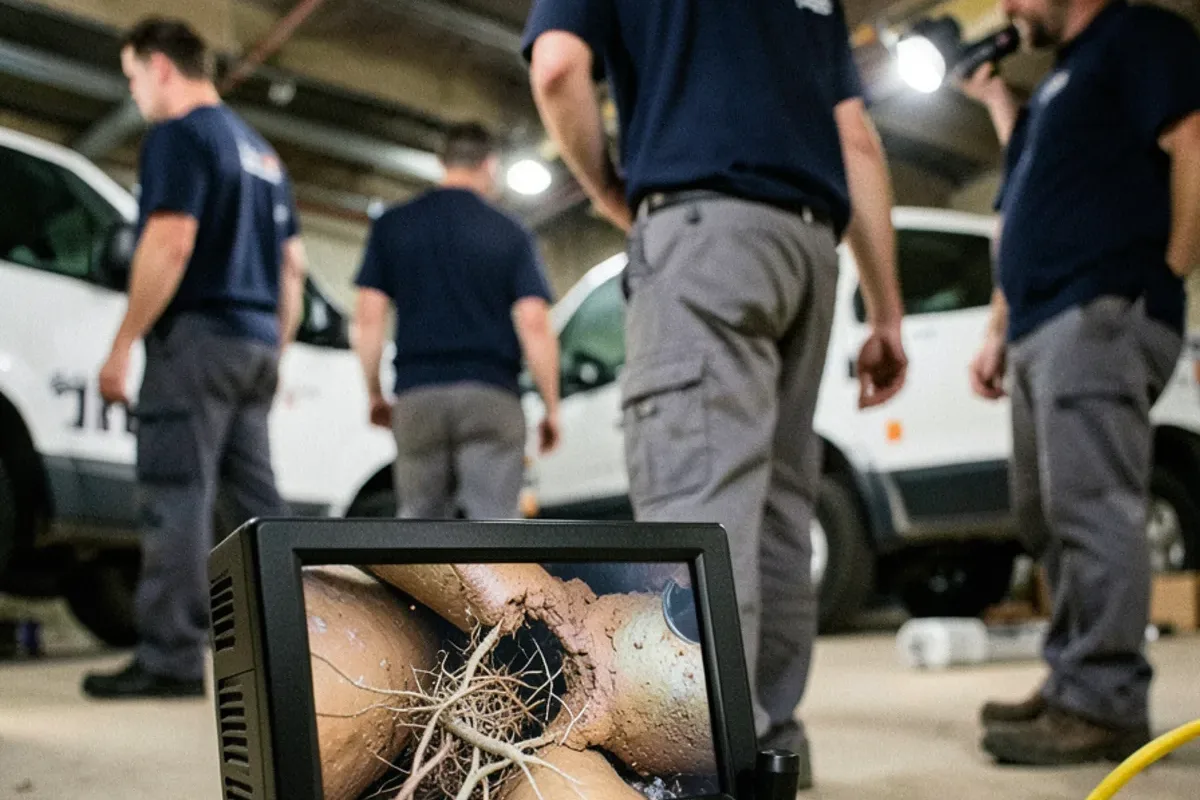
A plumber opens the line from a cleanout and clears it, which also shows what was blocking it. Basement floor drain cleaning handles that part. Then a camera goes in. A sewer line repair and inspection visit records the pipe from the house toward the main and shows whether the blockage was a one-off or a symptom of a cracked joint or a sag that will catch the next load too.
Older housing raises the odds of a pipe problem. In Eastpointe, nearly four in five homes were built before 1960, and laterals of that age are often clay tile, which roots love. If the camera shows damage past the foundation, remember whose pipe it is: our post on who owns the sewer line between your house and the street covers where responsibility ends.
Trade-offs on the first plumbing visit after a backup
The first visit has two jobs that pull in different directions: get the drain working today, and learn enough about the pipe to stop a repeat. A few honest trade-offs shape how that visit goes.
- Clearing comes before the camera. A line full of standing sewage hides cracks and sags, so the camera usually goes in after the line is open and has drained for a few minutes.
- A cable and a jetter do different work. A cable cutter punches through roots and wipes and leaves some behind on the pipe wall. A jetter scours grease and root hair off the wall but takes more setup. Which one fits depends on what the cutter brings back.
- A clear line isn't proof of a sound one. A backup on a dry day from roots at an old clay joint will come back, because the joint is still open. The video tells you whether you're buying time or fixing the problem.
- Don't rush into a backwater valve. A valve stops the city's sewer from pushing back into the house. It does nothing for a root mass in your own lateral, and it can make a private blockage harder to spot.
If the camera shows a break, you'll get the footage, the distance from the cleanout and the depth, which is what a sewer camera inspection is for. A restoration company drying the basement and a plumber working on the pipe can be there the same week, but the plumber should go first so nobody is cleaning a floor the drain is about to flood again.
When to hand off the cleanup, and what you can manage
A few inches of sewage on bare concrete, with nothing absorbent in the way, is a job most people can handle with gloves, boots, a wet vacuum and the bleach mix. Hand it off when sewage soaked carpet, drywall or a finished room, when it reached the furnace, water heater or electrical panel, or when anyone in the house has a health reason to stay away from it.
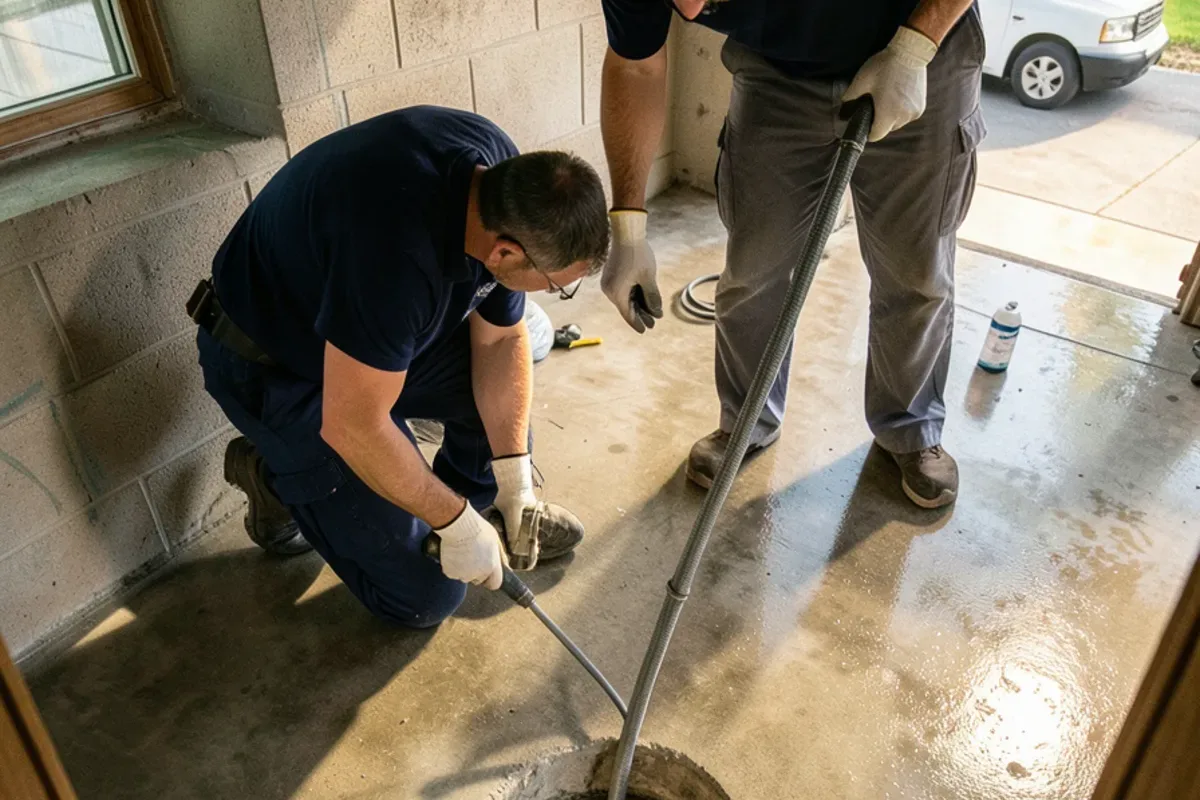
The drain itself is a plumber's job either way. Stop water use, keep the photos, and call us to clear the line and find out what caused the backup before anything goes back on that floor.
Questions people ask about this
Can I clean up a sewage backup myself?
Yes, if it's a small backup onto a bare concrete floor and you have the right gear and a bleach solution. A finished basement with carpet, drywall and furniture soaked in sewage is a bigger job, and the EPA recommends professional cleanup when sewage is involved. Either way, have the drain cleared before you start, or the next flush can undo your work.
Should I pour water down the floor drain to flush it after a backup?
No, not until the line has been cleared and checked. If the blockage is still there, extra water just comes back up onto the floor you cleaned. Once the line is open, pouring a bucket of water into the floor drain refills its trap and restores the seal that keeps sewer gas out of the basement.
How long does a basement take to dry after a sewage backup?
Several days at minimum with fans and a dehumidifier running nonstop, and longer for finished spaces or concrete block walls that soaked up water. The EPA warns that mold can start on materials that stay wet more than a day. Don't close walls back up or put flooring down until everything tests dry with a moisture meter.
Who do I report a sewer backup to in Warren?
Report it to the Warren Water Division, which runs an emergency line for water and sewer problems listed on the city's water and sewer page. Tell them when it happened and whether it was raining. If you think the public sewer was at fault, ask how to file a written claim, since Michigan's backup law has a notice deadline. Call your insurer right away too.
Want a plumber to look at your situation? We're on Stephens Rd in Warren.
(207) 419-2600